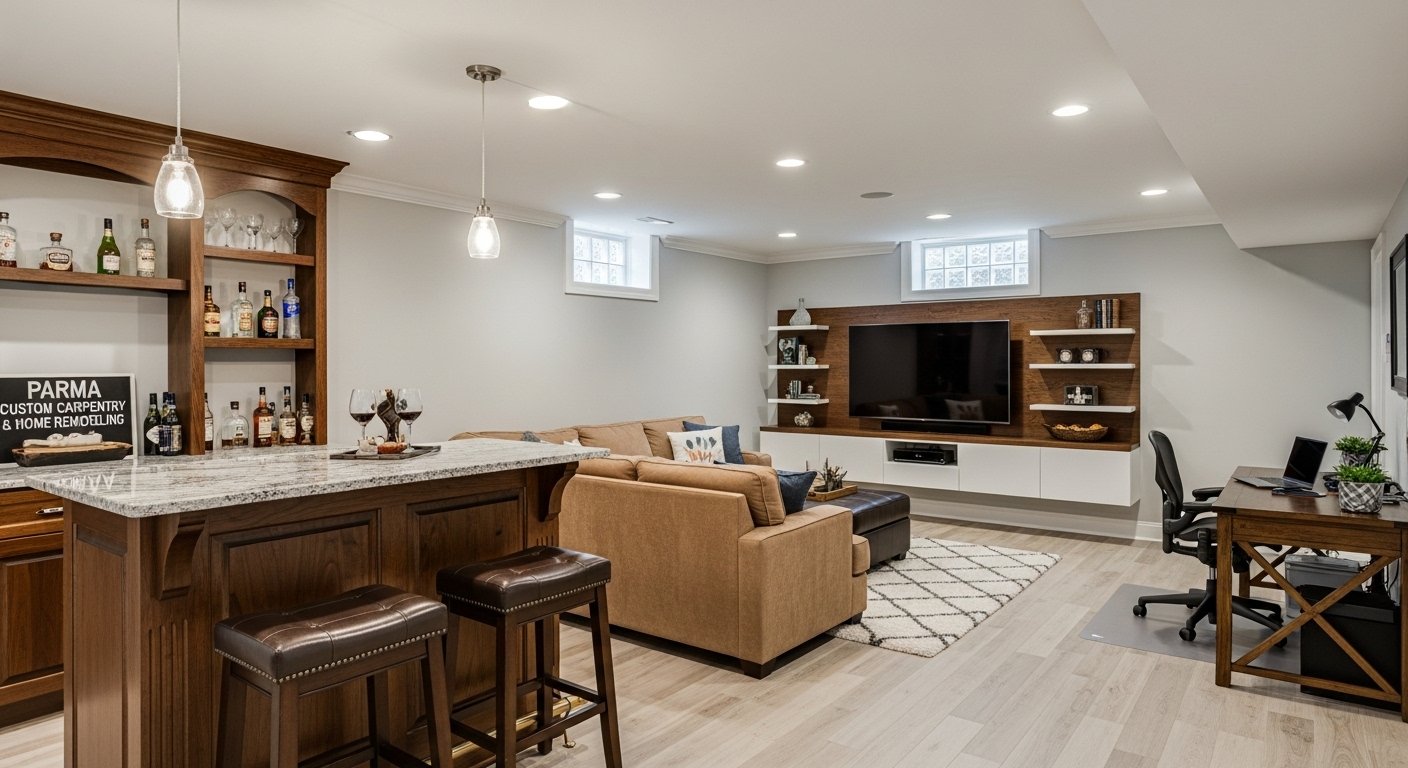
Home Renovation Timeline
Home Renovation Timeline is usually easier to navigate when homeowners stop thinking in isolated line items and start thinking in decisions. Every remodeling project has a few major choices that shape everything else: what problem needs to be solved, what level of finish fits the home, how much disruption is acceptable, and whether the work should be phased or completed at once. In Parma and nearby Cleveland neighborhoods, those choices are often influenced by the age of the home, existing floor plan, and the amount of custom carpentry needed to make old and new finishes work together cleanly.
That is why surface-level advice often falls short. A beautiful photo does not tell you whether a wall is worth removing, whether a shower should be enlarged or simply rebuilt better, or whether an unfinished basement is a good candidate for living space without first addressing moisture and lighting. Homeowners tend to make better decisions when they understand the tradeoffs early.
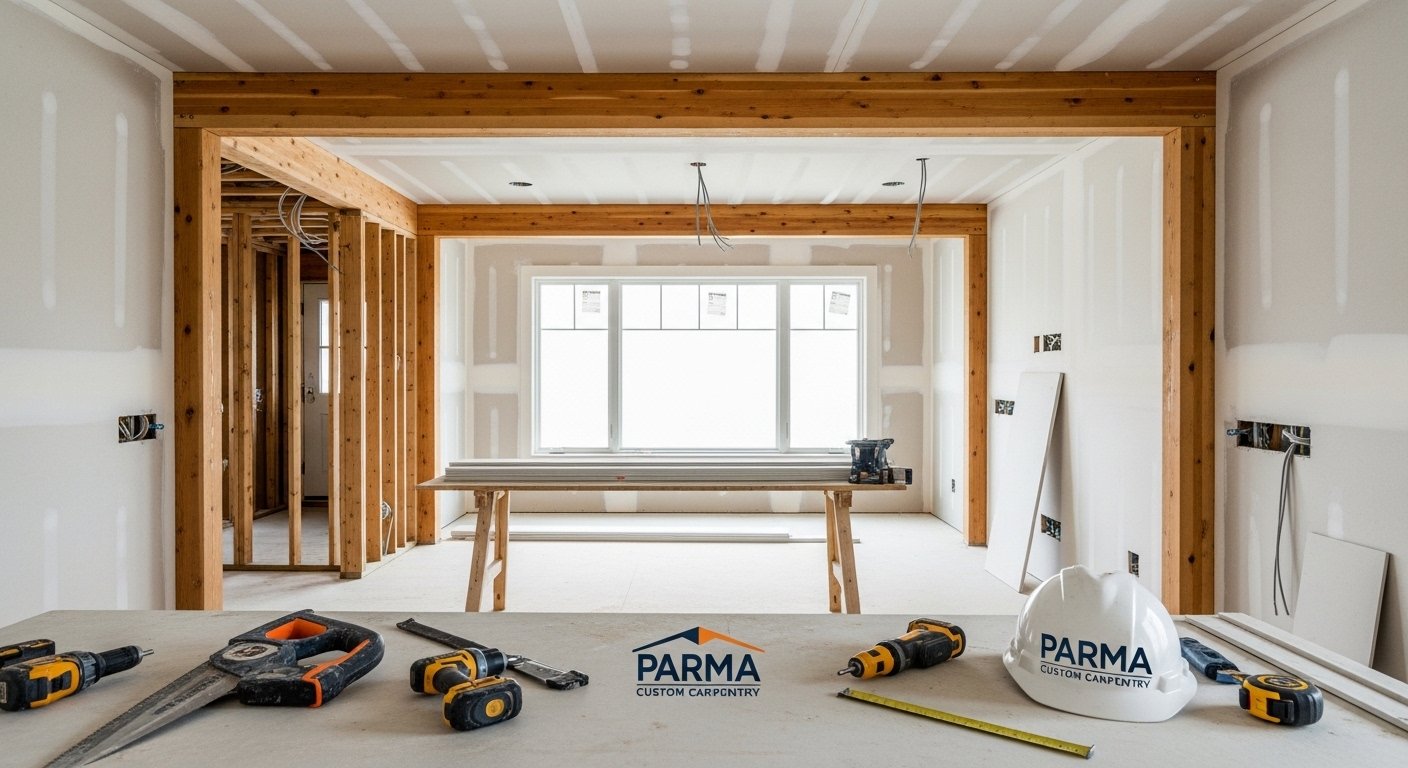
The questions that shape the project
Most successful remodels start with five practical questions. What is frustrating about the space now? What is the best version of the room for daily life, not just for photos? Which parts of the house can stay untouched? Which details will matter every day? And what is the realistic investment range once hidden conditions and craftsmanship are considered?
Those questions sound simple, but they help homeowners avoid the most common planning mistakes: underestimating lead times, overlooking transitions between old and new materials, and treating design choices as though they exist separately from construction.
- Define the function problem before discussing finishes
- Separate must-haves from optional upgrades
- Account for the age and condition of the existing house
- Budget for finish details and hidden corrections
- Leave room for a smarter scope after the walkthrough
What Parma-area homeowners often overlook
Older homes can have framing irregularities, patchwork electrical history, uneven floors, and additions done in different eras. Those realities do not make remodeling a bad idea. They simply mean the best projects are planned with enough flexibility to respond well when those conditions appear.
The second thing homeowners overlook is how much finish carpentry changes the end result. Cabinet fit, trim profiles, built-ins, casing returns, floor transitions, and shelving details are not minor touches. They are often the details that make a room feel intentionally renovated instead of partially updated.
How to turn research into a better scope
Once you understand the problem, the investment range, and the condition of the house, the next step is to shape the project around priorities. Sometimes that means completing one room very well instead of touching four rooms lightly. Other times it means combining related work so you only disrupt the home once.
A good contractor conversation should help you narrow choices, not overwhelm you. You should come away understanding what affects cost, what improves day-to-day function, and where a smaller scope may create future limitations.
Related service pages
These pages connect the planning ideas above to actual room-by-room remodeling work.
Frequently Asked Questions
What should homeowners understand first about home renovation timeline
Start with goals, constraints, and the realities of your house. Good remodeling decisions come from understanding use, condition, and budget together instead of focusing on one of them in isolation.
Does this apply to older Parma and Cleveland homes?
Yes. Many local houses have age-related quirks that shape layout, timing, and cost. That is why planning matters so much before demolition begins.
When should I call a remodeling contractor?
Call early enough to compare options before materials are ordered or a partial repair locks you into a weaker solution.